A routine dental checkup is a regular visit that many people arrange with a local dental practice to talk about their oral health, review any changes they have noticed, and learn about everyday habits that support healthy teeth and gums. This article describes, in general terms, what such a visit often involves. It is general information only, not medical advice, and it does not describe what any particular practice will do. Every practice works differently, and the best source of information about your own care is a licensed dentist at a local practice, who can discuss your situation directly.
If you are looking for a local practice to contact, DentalHelpFinder is a discovery and referral information platform. It helps visitors explore dental care topics and find a dentist near them. It is not a dental practice, it does not provide treatment, it does not employ dentists, and it does not book appointments or guarantee a match with a practice. You can explore general dental care information through the dentist near me page, and you can read related preventive care topics in the Preventive Care archive.
Why People Arrange Routine Checkups
People arrange routine checkups for many different reasons. Some want a regular opportunity to ask questions about their teeth, gums, or daily care routine. Others want to talk through changes they have noticed, such as sensitivity, discomfort, or a change in how their teeth look or feel. Some people simply want a structured moment to review their oral health and think about habits that may help them maintain it.
A routine visit is often described as preventive in character. That word, in this context, means the visit is arranged as part of ongoing care, rather than only in response to a problem. It does not mean that a visit prevents any particular outcome, and it does not guarantee that no issue will arise later. Oral health changes over time, and only a licensed dentist who can examine a person directly can discuss what is relevant for that individual.
Thinking about a checkup in advance can make the visit more useful. It can help to notice, in the days before a visit, anything you would like to mention: a tooth that feels different, a question about brushing or flossing, a concern about appearance, or a change in your daily routine that might affect your mouth. Writing those points down, even briefly, can make it easier to remember them during a conversation that may cover several topics in a short time.
How Often People Discuss Scheduling a Visit
There is no single schedule that applies to everyone. People often discuss timing with a practice directly, because the right interval depends on individual circumstances that only a treating dentist can assess. Some people arrange visits at regular intervals that they agree with a practice. Others contact a practice when something changes, and then discuss whether a routine visit, a different type of appointment, or another step makes sense.
If you have not visited a practice before, or if it has been a long time since your last visit, a first conversation may focus on background information and general questions. A practice may ask about your oral health history, any concerns you have, and what you hope to discuss. That conversation helps the practice understand how to plan the visit. It is not a promise of any particular service, and it does not commit you to treatment.
For general site questions, or if you would like help exploring dental care topics, you can contact DentalHelpFinder by email at dentalhelpfinder@gmail.com. That email route is for general inquiries about the site and its discovery information. It is not a way to book an appointment, and it does not replace contacting a local practice directly about care.
What a Routine Visit Generally Involves
A routine checkup usually begins with a conversation. The dentist or a member of the practice team may ask how you have been feeling, whether anything has changed since your last visit, and whether you have any questions. This conversation is a useful time to mention anything you noticed, even if it seems small. Changes in comfort, appearance, or daily habits can all be relevant to a discussion about oral health, and a dentist can help you understand which points are worth exploring further.
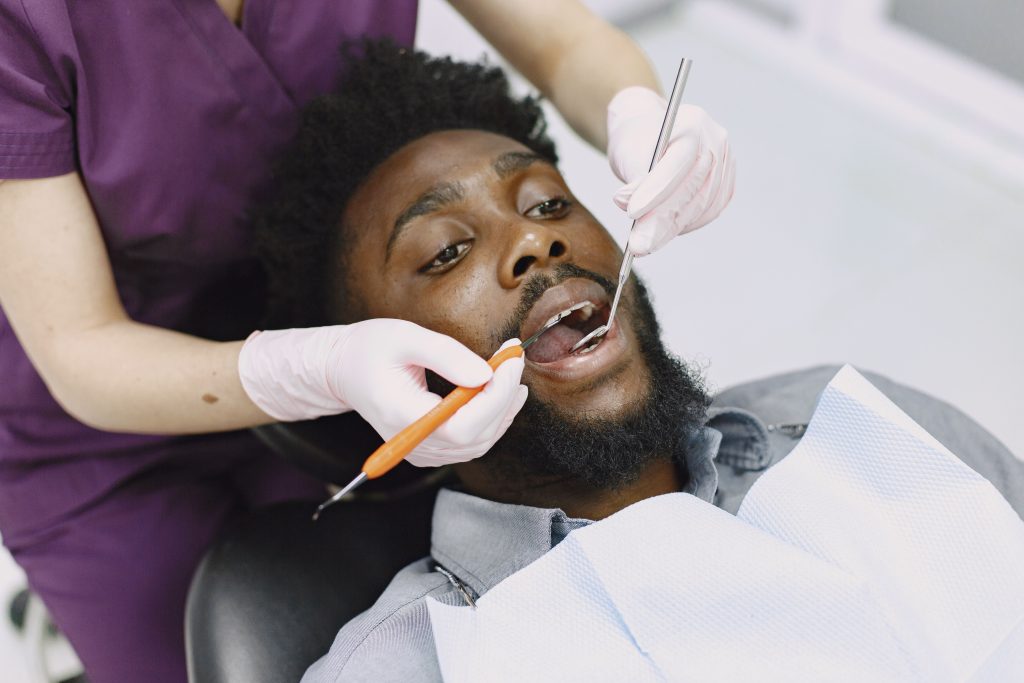
After the conversation, a visual examination of the mouth is commonly part of a routine visit. The dentist may look at the teeth, gums, tongue, and other areas of the mouth, and may discuss what is observed in general terms. In some practices, additional steps may be discussed, such as images or other assessments, depending on the practice and the individual. No particular step should be assumed. If a practice suggests an additional step, it is reasonable to ask what it involves, why it is being suggested, and what choices are available. A clear explanation helps you make an informed decision about your own care.
Cleaning is another element that is often associated with routine visits, although it is not part of every visit and it is not the same as a checkup itself. When cleaning is discussed, a practice may talk about removing buildup from tooth surfaces and about daily habits that support oral health between visits. Again, the specifics vary, and a licensed dentist at a local practice is the right person to discuss what is appropriate for you.
Talking Through Findings
When a dentist discusses findings from a routine visit, the conversation may cover what was observed, what it may mean in general terms, and what options exist for next steps. Options may include arranging another visit, discussing daily care habits, or talking about other types of dental care. Nothing discussed in a general article like this one can substitute for that conversation, because findings depend on an individual examination.
It can help to ask follow-up questions during this part of a visit. For example, you might ask what a term means, what choices are available, what to watch for between visits, or when to get back in touch. A practice that explains things clearly can make it easier to understand your options and to decide what, if anything, you would like to do next. If anything is unclear, asking for a simpler explanation is always reasonable.
Preparing Questions Before a Visit
Preparing a short list of questions can make a routine visit feel less rushed. The questions do not need to be technical. They can be practical, everyday questions about your own mouth and habits. The list below offers starting points. Choose the ones that feel relevant, and add your own.
- What daily habits support healthy teeth and gums, and is there anything about my current routine worth changing?
- Is there anything you noticed today that I should keep an eye on between visits?
- How often should I discuss scheduling my next routine visit with this practice?
- Are there topics, such as cosmetic options or other types of care, that would be useful to discuss at a separate visit?
- If something changes between visits, what is the best way to get in touch with the practice?
Bringing a list does not mean every question will be answered in one visit, and that is fine. A routine visit is one conversation in an ongoing relationship with a practice. Questions that are not covered can be noted for a future visit or raised by email or phone with the practice directly, using the contact details the practice itself provides.
It can also help to think about practical details before a visit. Consider how you will get to the practice, how much time to allow, and whether you need to bring any information the practice has asked for. Some practices ask new visitors to complete background forms before a first visit. If a practice asks for information, providing it accurately helps the conversation go smoothly. DentalHelpFinder does not collect medical information, and any information you share with a practice is between you and that practice.
Everyday Habits Between Visits
What happens between visits matters as much as what happens during a visit. Daily habits form the background of oral health, and a routine checkup is a good opportunity to talk about them. Brushing, flossing, and other daily care routines are often discussed, along with eating and drinking habits that may affect teeth and gums. A dentist can discuss these topics in general terms and help you think about habits that fit your own situation.
General habits that are often discussed include brushing regularly, cleaning between teeth, and being mindful of foods and drinks that are frequently associated with tooth concerns. None of these habits guarantees any particular outcome, and the details of a daily routine are best discussed with a licensed dentist who understands your situation. If a habit feels difficult to maintain, mentioning that during a visit can lead to practical suggestions that fit your daily life better than a generic routine.
It is also worth paying attention to changes between visits. Sensitivity, discomfort, bleeding gums, a change in appearance, or a tooth that feels different are all things worth noting and mentioning at a future visit, or raising sooner with a practice if they concern you. This article does not diagnose any of these observations. It simply notes that noticing and mentioning changes is part of how routine care works, and that a local practice is the right place to discuss them.
For readers exploring related topics, the preventive dental care guide offers general information about preventive care, and the cosmetic dentistry page offers general information about cosmetic topics that some people discuss at or after a routine visit. These links are for general exploration only. They do not book care and they do not promise any service.
What a Checkup Does Not Do
A routine checkup is a conversation and an examination, not a guarantee. It does not promise that no dental issue will ever arise, and it does not replace care for a specific problem. If you have an urgent concern, such as severe pain, swelling, or an injury to a tooth, that concern should be raised directly with a local practice as soon as possible, rather than waiting for a routine visit. General information about urgent concerns is available through the emergency dentist information page, and same-day topics are discussed on the same-day dentist page. Those pages provide general information only. They do not book urgent care, and they do not guarantee that a practice can see anyone at a particular time.
A checkup also does not, by itself, determine costs, coverage, or payment options. Those topics vary by practice and by individual circumstances, and they are best discussed directly with a practice. General information about costs and payment topics is available through the insurance and costs archive, but that information is general only and does not state what any practice charges or what any plan covers.
Understanding these limits helps set realistic expectations. A routine visit is most useful when it is seen as part of ongoing care: a chance to talk, to learn, and to plan, with a licensed dentist at a local practice guiding the discussion about your own oral health.
Frequently Asked Questions
How do I prepare for a routine dental checkup?
Think about what you would like to discuss, and consider writing down a short list of questions or observations. Note anything that has changed since your last visit, such as sensitivity, discomfort, or a change in appearance, and bring that list with you. Practical preparation, such as allowing enough time and bringing any information a practice has asked for, can also help the visit go smoothly. If you are unsure what to bring, contact the practice directly using its own contact details and ask.
What usually happens during a routine checkup?
A routine visit generally begins with a conversation about how you have been feeling and whether anything has changed. It often includes a visual examination of the mouth, and it may include discussion of daily habits, findings, and next steps. Additional steps, such as images or cleaning, may be discussed depending on the practice and the individual. No particular step should be assumed for every visit, and a licensed dentist at a local practice can explain what is planned for your visit.
How often should I arrange a routine checkup?
There is no single interval that applies to everyone. Timing is best discussed directly with a practice, because it depends on individual circumstances that only a treating dentist can assess. Some people agree a regular interval with a practice, while others contact a practice when something changes and then discuss timing from there. If you are unsure, raising the question with a local practice is a good starting point.
What if I feel nervous about visiting a dentist?
Feeling nervous about dental visits is common, and mentioning it to a practice can help. A practice may be able to explain what will happen, take things at a comfortable pace, and answer questions before any step begins. You can also bring a short list of questions, so that the conversation feels more structured. If nervousness is a significant concern, discussing it openly with a licensed dentist at a local practice is the best way to explore options that fit your situation.
Does DentalHelpFinder book my checkup for me?
No. DentalHelpFinder is a discovery and referral information platform. It helps visitors explore dental care topics and find a dentist near them, but it does not provide treatment, employ dentists, book appointments, or guarantee a match with a practice. To arrange a visit, contact a local practice directly using the contact details that practice provides.
A Simple Way to Think About Routine Visits
A routine dental checkup is, at its simplest, a structured conversation about your mouth, supported by an examination and by discussion of everyday habits. It works best when you arrive with a sense of what you would like to discuss, when you ask questions freely, and when you leave with a clear sense of next steps, even if the next step is simply to continue your current habits and arrange another conversation in the future.
That simplicity is part of its value. Routine visits are not dramatic, and they are not meant to be. They are regular, practical moments in ongoing care, and they give you and a local practice a shared basis for decisions about your oral health over time.
For general questions about this site, or about exploring dental care topics, contact DentalHelpFinder by email at dentalhelpfinder@gmail.com. For questions about your own care, or to arrange a visit, please contact a licensed dentist at a local practice directly. This article is general information only, not medical advice, and it does not replace a conversation with a treating dentist.