Dental Emergencies at Home: What to Do Until You Can Reach a Dentist
A dental emergency at home can feel frightening, especially when it happens outside normal practice hours or when you are unsure how serious it is. This article offers general first-response information for common situations: toothache, a chipped or broken tooth, a lost filling or crown, swelling, and a tooth that feels loose. It is general information only, not medical advice, and it does not diagnose any condition or recommend treatment for any individual.
The most important point comes first. If you have an urgent concern, contact a local dental practice as soon as you can, using the contact details that practice provides. If a situation feels severe, worsening, or frightening, or if it involves significant pain, swelling, bleeding, injury, or difficulty opening your mouth or swallowing, seek urgent care through local emergency services or an emergency dental service promptly, rather than waiting. General information in an article is never a substitute for direct care, and waiting to see whether a serious problem improves on its own is not a safe approach.
DentalHelpFinder is a discovery and referral information platform. It helps visitors explore dental care topics and find a dentist near them. It is not a dental practice, it does not provide treatment, it does not employ dentists, and it does not book appointments or guarantee that any practice can see anyone at a particular time. General emergency topics are introduced on the emergency dentist information page, and related emergency articles can be found in the Emergency Care archive.
First Steps in Any Dental Emergency
Whatever the situation, a few general first steps can help you stay calm and gather useful information before you contact a practice.
First, try to stay as calm as possible and assess what has happened. Note when the problem started, what you were doing at the time, and whether anything makes it better or worse. That information can be useful when you speak to a practice, because it helps the practice understand the situation and discuss next steps.
Second, avoid putting anything unusual into your mouth, and avoid trying to fix a tooth, filling, or crown yourself. Home repairs, improvised materials, and forceful attempts to reposition a tooth can make a situation worse. If a piece of tooth, filling, or crown has come away, keep it if you can do so safely, in a clean container, and mention it when you contact a practice. A practice can advise whether it is relevant to bring it along.
Third, contact a local practice promptly, even if the problem seems to have settled. Some dental problems feel better for a time and then return, and only a licensed dentist who can examine a person directly can discuss what is happening and what should happen next. If a practice is closed, follow the guidance that practice provides for urgent contact, or seek urgent care through local emergency services where appropriate. Do not rely on an email to a discovery platform for urgent care: DentalHelpFinder’s email, dentalhelpfinder@gmail.com, is for general site questions only, and it is not a route to urgent dental care.
Toothache at Home
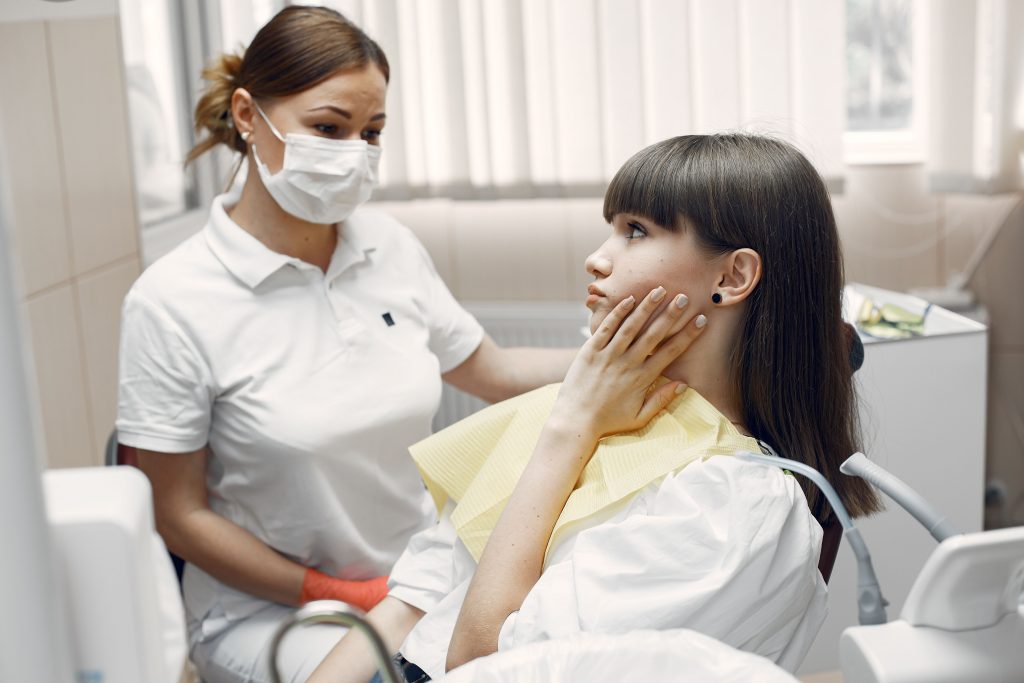
Toothache is a broad term that covers many different kinds of discomfort, from a dull ache to sharp pain when eating, drinking, or biting. The cause of a toothache cannot be determined from a description alone, and this article does not attempt to diagnose any toothache.
While you are waiting to contact a practice, general measures that people often discuss include rinsing gently with warm water, avoiding very hot or very cold food and drink if those seem to worsen discomfort, and avoiding chewing on the affected side if biting feels painful. These are general comfort measures only. They do not treat a cause, and they do not replace contacting a practice.
It is worth noting what has changed: when the ache started, whether it is constant or comes and goes, whether it is linked to eating, drinking, or temperature, and whether anything else, such as swelling or a change in appearance, has appeared alongside it. That information can help a practice understand the situation when you speak to them.
If pain is severe, worsening, or accompanied by swelling, fever-like symptoms, or difficulty opening your mouth, seek urgent care promptly rather than waiting for a routine appointment. Severe or worsening symptoms should be treated as urgent, and a local practice or local emergency service is the right place to discuss them directly.
A Chipped or Broken Tooth
A chipped or broken tooth can happen during eating, sport, a fall, or another impact. The first step is to stay calm and check, as far as you can, what has happened. If there is bleeding, gentle pressure with a clean cloth or gauze may be discussed as a general first-response measure, but if bleeding is significant or does not settle, seek urgent care promptly.
If a piece of tooth has broken away, keep it in a clean container if you can do so safely, and avoid handling the broken edge roughly. Rinsing the mouth gently with water can help clear debris, but avoid vigorous rinsing or probing the damaged area. Avoid chewing on the affected side, and avoid very hot, cold, or hard foods that might worsen discomfort.
A chipped tooth does not always cause pain, and the absence of pain does not mean the tooth needs no attention. A licensed dentist at a local practice can discuss whether an examination is needed and what options exist. Contacting a practice promptly, even for a chip that feels minor, is a sensible general approach, because only an examination can clarify the situation.
If a tooth has been knocked out completely, or if an injury involves the face, jaw, or head, seek urgent care immediately through local emergency services. This article does not provide instructions for reinserting a tooth, because that is a decision for urgent care professionals who can assess the situation directly.
A Lost Filling or Crown
Losing a filling or crown can feel alarming, especially if the tooth underneath feels sensitive or rough. As with other situations, the first step is to stay calm and avoid trying to fix the filling or crown yourself. Do not attempt to glue, push, or force anything back into place, and do not use improvised materials in your mouth.
If you have the crown or filling, keep it in a clean container if you can do so safely, and mention it when you contact a practice. A practice can advise whether it is relevant to bring it along. In the meantime, avoid chewing on the affected side if that feels uncomfortable, and avoid very hot, cold, sticky, or hard foods that might worsen sensitivity or discomfort.
A lost filling or crown does not always cause pain, but it should still be discussed with a local practice promptly. The tooth underneath may be more vulnerable, and only a licensed dentist who can examine it can discuss what should happen next. Waiting for a routine visit without contacting a practice is not a good general approach for a lost filling or crown, because the situation may change between visits.
If a lost filling or crown is accompanied by severe pain, swelling, or other urgent symptoms, seek urgent care promptly rather than waiting. Those symptoms should be discussed directly with a local practice or local emergency service.
Swelling in or Around the Mouth
Swelling in or around the mouth, face, or jaw should always be taken seriously. Swelling can have many causes, and this article does not attempt to diagnose any of them. What matters is that swelling, especially swelling that is worsening, painful, or accompanied by difficulty opening your mouth or swallowing, should be discussed urgently with a local practice or local emergency service.
While you are seeking care, general measures that people sometimes discuss include keeping the head elevated and avoiding putting pressure on the swollen area. Those measures are comfort measures only. They do not treat a cause, and they do not replace urgent care.
Note when the swelling started, whether it is increasing, and whether it is accompanied by pain, fever-like symptoms, or difficulty with eating, drinking, or breathing. That information can help urgent care professionals understand the situation. If swelling affects breathing or swallowing, or if it is worsening rapidly, seek emergency care immediately through local emergency services. Do not wait for a routine appointment in that situation.
Swelling is one situation where waiting is particularly unwise. Even if swelling seems to have settled slightly, it should still be discussed promptly with a local practice, because only an examination can clarify what is happening.
A Tooth That Feels Loose
A tooth that feels loose can be unsettling, whether it follows an injury or develops gradually. The general first-response approach is similar to other situations: avoid wiggling, pushing, or pulling the tooth, avoid chewing on that side if it feels uncomfortable, and contact a local practice promptly to discuss what has happened.
If looseness follows an injury, and especially if it is accompanied by pain, bleeding, swelling, or a change in how teeth fit together, seek urgent care promptly. An injury-related loose tooth should be discussed directly with a local practice or local emergency service, rather than left to settle on its own.
If looseness has developed gradually, without injury, it should still be discussed with a local practice. A licensed dentist can examine the tooth and surrounding area and discuss what may be relevant. This article does not diagnose the cause of a loose tooth, and it does not suggest any home treatment for looseness. The appropriate general step is a prompt conversation with a treating dentist.
What to Have Ready When You Contact a Practice
When you contact a local practice about an urgent concern, having a few details ready can help the conversation go more smoothly. Consider noting:
- What happened, and when it started
- What you were doing at the time, if it followed an injury or while eating
- What the discomfort feels like, and whether it is constant or comes and goes
- Whether anything makes it better or worse, such as temperature, biting, or time of day
- Whether swelling, bleeding, or any other change has appeared
- Whether a piece of tooth, filling, or crown has come away, and whether you have kept it safely
You do not need to have all of these details to contact a practice. Even a brief description is enough to start a conversation, and a practice can ask follow-up questions. The point of noting details in advance is simply to make the conversation easier at a moment when you may feel stressed or in discomfort.
For general information about finding a local practice, the dentist near me page offers a starting point for exploration. It does not book urgent care and it does not guarantee that any practice can see anyone at a particular time. For same-day topics in general terms, the same-day dentist page may also be useful. Both pages provide general information only.
What Not to Do
In a dental emergency, what you avoid doing can matter as much as what you do. As a general guide, avoid the following:
- Do not try to repair a tooth, filling, or crown yourself with glue, improvised materials, or force.
- Do not ignore severe pain, worsening swelling, significant bleeding, or difficulty opening your mouth or swallowing.
- Do not wait for a routine appointment when symptoms are severe or worsening.
- Do not rely on general articles, online information, or an email to a discovery platform as a substitute for direct care.
- Do not assume that because discomfort has settled, the underlying situation has resolved. Contact a practice promptly even if symptoms improve.
These points are general guidance only. They do not replace advice from a licensed dentist or urgent care professional who can assess your specific situation.
Frequently Asked Questions
Should I wait to see if a dental emergency improves on its own?
As a general approach, no, especially if symptoms are severe, worsening, or frightening. Contact a local practice promptly, and seek urgent care through local emergency services where appropriate. Some problems feel better for a time and then return, and only an examination can clarify what is happening. Waiting for a routine appointment when symptoms are urgent is not a safe general approach.
What if a dental emergency happens at night or on a weekend?
Contact a local practice using the urgent contact guidance that practice provides, or seek urgent care through local emergency services where appropriate. Do not rely on an email to a discovery platform for urgent care. DentalHelpFinder’s email, dentalhelpfinder@gmail.com, is for general site questions only. If symptoms are severe or worsening, seek urgent care promptly rather than waiting for normal hours.
Should I keep a broken piece of tooth, filling, or crown?
If you can do so safely, keeping it in a clean container and mentioning it when you contact a practice is a sensible general step. A practice can advise whether it is relevant to bring it along. Do not attempt to reattach or repair anything yourself, and do not handle a broken piece roughly. If keeping it is not possible or not safe, that is fine — contact a practice anyway and describe what happened.
Does DentalHelpFinder provide emergency dental care?
No. DentalHelpFinder is a discovery and referral information platform. It helps visitors explore dental care topics and find a dentist near them, but it does not provide treatment, employ dentists, book appointments, or guarantee that any practice can see anyone at a particular time. For urgent concerns, contact a local practice directly, or local emergency services where appropriate.
What if I am unsure whether my situation is an emergency?
When in doubt, contact a local practice promptly and describe what is happening. A practice can help you understand whether urgent care is needed. If symptoms feel severe, worsening, or frightening, seek urgent care promptly rather than waiting. It is always better to ask than to assume a situation is not urgent.
A Calm, Prompt Approach
A dental emergency at home is best met with a calm, prompt approach: stay as calm as you can, note what has happened, avoid trying to fix anything yourself, and contact a local practice — or local emergency services where appropriate — as soon as possible. That approach applies whether the situation is a toothache, a chipped tooth, a lost filling or crown, swelling, or a tooth that feels loose.
General information can help you understand what to do while you are seeking care, but it cannot replace that care. The most useful step, in every situation described here, is a direct conversation with a licensed dentist at a local practice, or with urgent care professionals where the situation requires it.
For general questions about this site, contact DentalHelpFinder by email at dentalhelpfinder@gmail.com. For urgent dental concerns, please contact a local practice directly, or local emergency services where appropriate, as soon as possible. This article is general information only, not medical advice, and it does not replace direct care from a treating dentist or urgent care professional.