Preventive dental care is the routine care that helps keep teeth and gums healthy and helps problems be found early, when they are usually simpler to address. It includes regular checkups and cleanings, daily brushing and cleaning between teeth, and habits that protect enamel and gums over time. Prevention does not replace treatment when a problem is present, but it is the foundation of long-term oral health.
This guide explains what checkups and cleanings usually involve, how daily habits support prevention, how diet and other factors affect teeth, and what to ask at your next visit. It is general educational information, not a personal treatment plan. Your dentist can advise on a schedule and routine that fits your teeth, gums, and health history.
Many people put off preventive visits when nothing hurts, but dental problems can develop without obvious pain at first. Regular visits give your dentist a chance to check for early signs of decay, gum changes, wear, and other issues, and to talk through habits and care that may help. If you have not visited a dentist for some time, a preventive visit is a practical place to start. For local options, see dentist options near you.
What Happens at a Checkup?
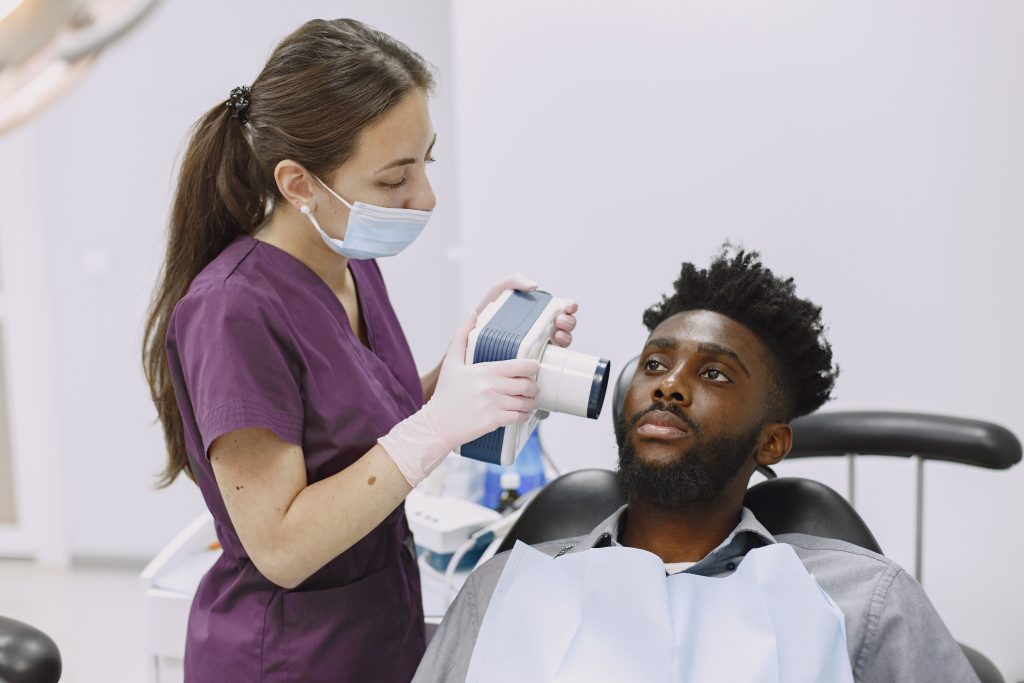
At a checkup, the dentist examines your teeth, gums, and mouth, and asks about symptoms, habits, and health changes. They may check your bite, look for signs of decay or gum disease, and assess any existing restorations, such as fillings or crowns. Imaging may be taken when needed to look at areas that cannot be seen directly, such as between teeth or below the gumline.
Checkups are also a chance to ask questions. You can discuss sensitivity, bleeding gums, bad breath, jaw discomfort, or concerns about appearance, and ask what changes, if any, are recommended. The dentist may suggest a recall interval for your next visit, which can vary depending on your oral health, risk factors, and any treatment that is planned.
What Happens During a Cleaning?
A professional cleaning removes plaque and tartar that daily brushing and flossing may miss, especially along the gumline and between teeth. The dental professional will clean the teeth, polish them, and check the gums, and may discuss areas where your home routine could be improved. Cleaning is not a substitute for daily care, but it complements it by reaching areas that are harder to clean at home.
Some people feel mild sensitivity during or after a cleaning, especially if gums are inflamed or if there is exposed root surface. Tell the dental team if you feel discomfort, so they can adjust their approach or explain what to expect. After a cleaning, ask which areas need extra attention, what tools may help, and when your next cleaning is recommended.
Daily Habits That Support Prevention
Brushing
Brush twice a day with fluoride toothpaste, using a soft-bristled brush and gentle, thorough strokes. Pay attention to all surfaces of the teeth, including the outer, inner, and chewing surfaces, and brush along the gumline where plaque tends to build up. Replace your toothbrush when bristles become worn, and ask your dentist if an electric brush may help you clean more effectively.
Cleaning between teeth
Cleaning between teeth removes plaque and food from areas a toothbrush cannot reach. Floss, interdental brushes, or other tools recommended by your dentist can help, depending on the spacing of your teeth and the condition of your gums. If you find flossing difficult, ask for a demonstration or for an alternative tool that suits your teeth, rather than skipping this step altogether.
Diet, drinks, and habits
Frequent snacking on sugary or acidic foods and drinks can increase the risk of decay and erosion, even when brushing is regular. Water, balanced meals, and limiting sugary drinks and snacks between meals can help protect teeth. Smoking and tobacco use can affect gum health and healing, and grinding or clenching teeth can cause wear over time. Discuss any of these habits with your dentist, who can suggest practical steps and support.
Fluoride and other preventive options
Fluoride helps strengthen enamel and reduce the risk of decay, and it is present in many toothpastes and in some water supplies. Your dentist may discuss additional fluoride treatments, sealants for back teeth, or other preventive measures, depending on your risk and needs. Ask what is recommended for you, why it is suggested, and how often it should be repeated.
Prevention for Children, Teens, and Adults
Preventive needs change with age and life stage. Children benefit from early checkups, guidance on brushing, and advice on diet and habits, while teens may need support with orthodontic care, sports protection, and consistent routines. Adults may face different risks, including gum changes, wear, dry mouth from medication, or restorations that need monitoring. Older adults may need extra attention to gum health, root decay, and the care of dentures, implants, or other appliances.
Whatever your age, tell your dentist about health changes, new medication, or symptoms such as bleeding, sensitivity, or loose teeth. Those details can affect the preventive plan, the recall interval, and the advice you receive. Prevention is most effective when it is tailored, rather than copied from a general routine without considering your situation.
Costs, Insurance, and Making Visits Easier
Preventive visits are often a practical place to focus, because they can help identify problems early, when treatment may be simpler. Cost factors include the type of visit, imaging, cleaning, and any preventive treatments recommended. Insurance coverage for preventive care varies by plan, so confirm coverage directly with the provider and the plan. For related guidance, see low-cost dental care, insurance, and payment options, affordable dentist options near you, and costs, treatment, and local provider options.
If cost, transport, anxiety, or scheduling makes visits difficult, discuss those barriers openly. A practice may be able to suggest appointment times, explain what a visit will involve, or help you plan a first step that feels manageable. If you are anxious about dental visits, tell the practice in advance, so they can explain each step and pace the visit in a way that helps you feel more at ease.
Frequently Asked Questions
How often should I have a checkup?
It depends on your oral health, risk factors, and any treatment planned. Your dentist will suggest a recall interval that fits your situation. Ask what interval is recommended for you and why.
Is a cleaning painful?
Most people find cleanings manageable, although mild sensitivity is possible, especially if gums are inflamed. Tell the dental team if you feel discomfort, so they can adjust their approach or explain what to expect.
Do I still need checkups if I brush and floss well?
Yes. Daily care is essential, but checkups can identify problems that are not visible or painful at first, and cleanings can remove tartar that home care cannot. Both parts of prevention work together.
What should I do if my gums bleed when I brush?
Bleeding gums can be a sign that cleaning or gum care needs attention. Continue gentle cleaning, avoid stopping brushing, and discuss the bleeding with your dentist, who can check your gums and advise on technique or treatment.
Are children and older adults given different preventive advice?
Yes, preventive advice is usually tailored to age, teeth, gums, and health history. Children, teens, adults, and older adults may have different risks and needs, so ask what is recommended for your stage of life.
For general information about finding local care, visit the DentalHelpFinder homepage. If you have a question about this guide, contact us by email at dentalhelpfinder@gmail.com.
Building a Routine That Lasts
Prevention works best when it fits into everyday life, rather than relying on occasional effort. A simple routine is easier to maintain than a complicated one: brush twice a day, clean between teeth once a day, and keep regular checkups on the calendar. If a step feels difficult, talk to your dentist about a simpler tool or technique, rather than dropping the step altogether.
It can also help to link oral care to existing habits, such as brushing at the same times each day, keeping floss or interdental brushes where you will see them, and booking your next visit before you leave the practice. Small, consistent steps are more useful than short bursts of intensive care followed by long gaps. If you miss a day, return to the routine the next day without trying to make up for it by brushing harder, which can irritate gums.
Finally, remember that prevention includes paying attention to changes. New sensitivity, bleeding, swelling, a loose tooth, or a sore that does not heal should be discussed with a dentist promptly, rather than waiting for the next routine visit. Early attention can make a difference, and it is always reasonable to ask whether a symptom needs an earlier appointment.