When a tooth is missing, the three most common replacement options are a dental implant, a bridge, and a denture. Each option replaces the visible tooth in a different way, and each has different benefits, drawbacks, care needs, and timelines. There is no single best option for everyone, because the right choice depends on how many teeth are missing, the health of your gums and jaw, your general health, and your personal preferences.
This comparison explains implants, bridges, and dentures in plain language, so you can follow a discussion with a licensed dentist and ask clearer questions. It does not recommend a specific treatment, set out amounts, or replace an individual assessment. A dentist who has examined you can explain which options are suitable in your case and why.
In short, an implant is a post placed in the jaw that supports a replacement tooth. A bridge fills a gap by joining a replacement tooth to neighbouring teeth or implants. A denture is a removable appliance that replaces several teeth or a full arch. The sections below look at each option in more detail, then compare them side by side.
Dental Implants at a Glance
A dental implant replaces the root of a missing tooth with a small post in the jawbone, which then supports a crown, bridge, or denture. Because the implant is fixed in place, it does not rely on neighbouring teeth for support in the same way a traditional bridge does. Implants are often discussed for single missing teeth, several missing teeth, and full-arch restoration, depending on bone and gum health.
The implant process usually takes place in stages, including assessment, placement, healing, and fitting the final restoration. Healing time varies, and a temporary restoration may be used during healing. Daily care includes brushing, cleaning between teeth, and regular checkups, just as with natural teeth. For a fuller explanation, see full-mouth dental implants and discuss the full plan with a licensed dentist.
Implants may not be suitable for everyone. Bone quantity and quality, gum health, general health, and factors that affect healing all play a role. If bone is limited, a dentist may discuss grafting, a different design, or another option. Ask what assessment is needed, what the stages involve, and what follow-up care is expected.
Dental Bridges at a Glance
A traditional bridge replaces one or more missing teeth by joining a replacement tooth, called a pontic, to crowns on neighbouring teeth. Those neighbouring teeth are prepared to support the bridge, which is then fixed in place and not removed daily. Bridges can also be supported by implants, which may be discussed when neighbouring teeth are not suitable for support or when several teeth are missing.
Bridges are often completed in fewer stages than implants, because they do not usually require a surgical placement and healing period for a post. They still require careful planning, impressions or scans, laboratory work, and fitting appointments to check shape, bite, and comfort. Daily care includes brushing, cleaning under the bridge, and regular checkups, because the supporting teeth and gums still need protection.
A bridge affects neighbouring teeth, because those teeth are prepared to hold crowns. That trade-off matters, especially if neighbouring teeth are healthy and strong. Ask how the supporting teeth will be affected, how long a bridge is expected to last with good care, what maintenance it needs, and what would happen if a supporting tooth later develops a problem.
Dentures at a Glance
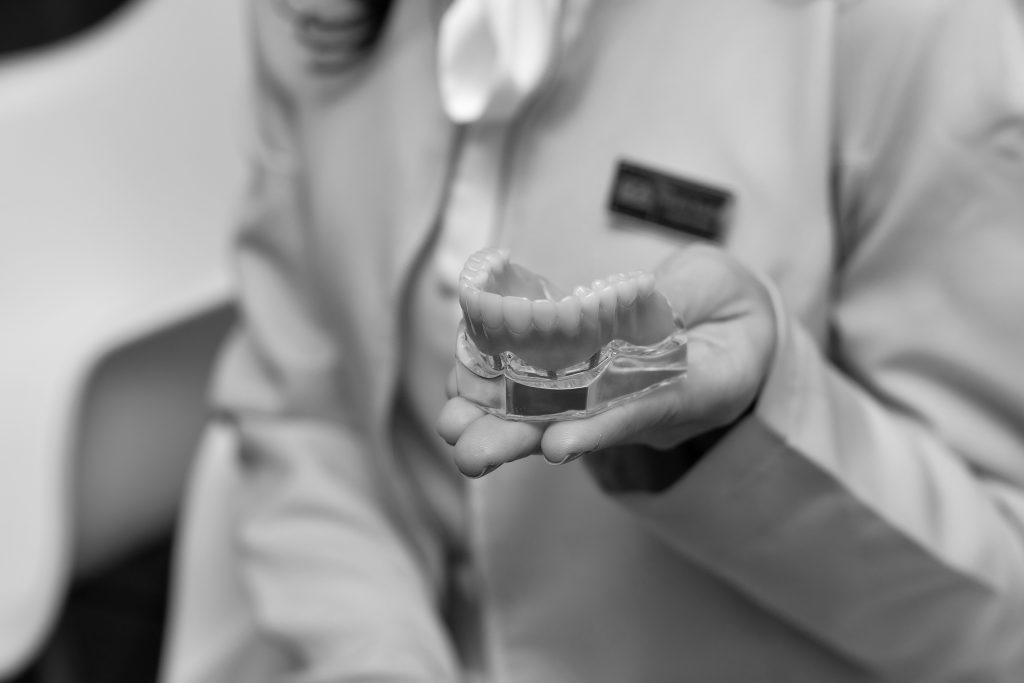
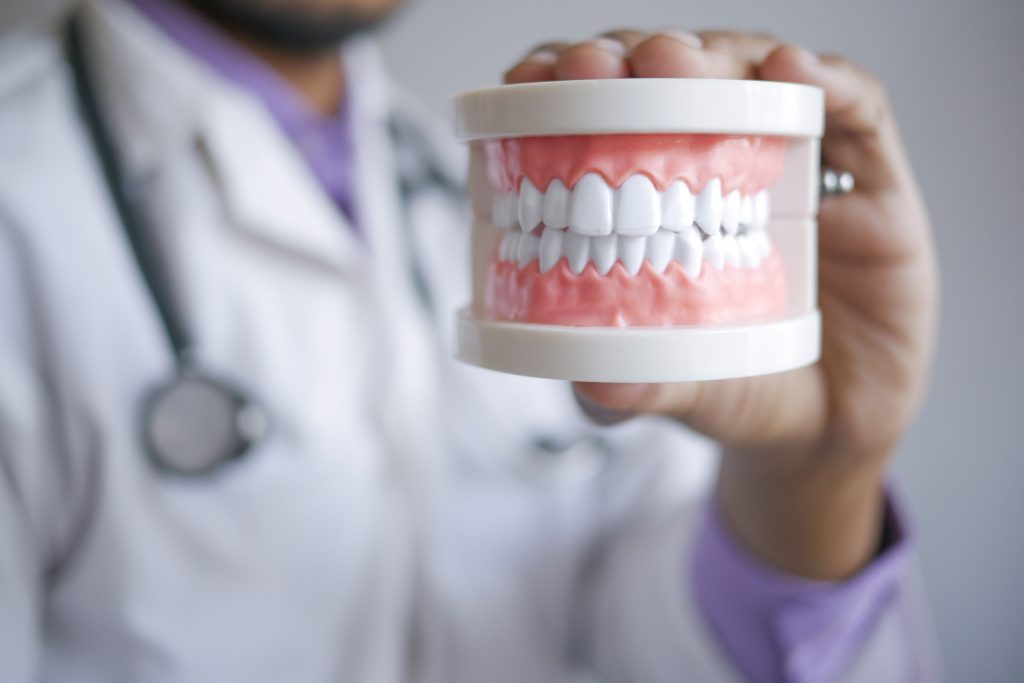
Dentures are removable appliances that replace missing teeth. A partial denture replaces several teeth and is held in place by clasps or other attachments, while a full denture replaces all teeth in an arch and rests on the gums. Dentures can be made for the upper arch, the lower arch, or both, and they are usually removed for cleaning.
Dentures are often chosen when many teeth are missing, when surgery is not wanted or not suitable, or when a removable option is preferred. They require fitting appointments, adjustments, and time to adapt to speaking and eating. Daily care includes removing and cleaning the denture, cleaning the gums and any remaining teeth, and attending checkups so the fit can be reviewed.
Fit can change over time as gums and bone change, so dentures may need relining or replacement. Ask how the denture will be held in place, how long adaptation may take, what foods or speech changes to expect at first, and how often the fit should be checked. Implant-supported dentures, which use implants for added stability, are a separate option that a dentist can explain if relevant.
Comparing Implants, Bridges, and Dentures
Stability and feel differ across the options. Implants and fixed bridges are fixed in place and are not removed daily, while dentures are removable. Fixed options can feel more like natural teeth for many people, but they require different preparation and care. Removable dentures offer flexibility and can be removed for cleaning, but they may feel less stable at first and may need adjustments as fit changes.
Effect on other teeth is another key difference. Implants generally do not rely on neighbouring teeth for support, while traditional bridges do, and those neighbouring teeth must be prepared. Dentures may use clasps on remaining teeth, but they do not usually require neighbouring teeth to be crowned. Ask how each option would affect your remaining teeth, gums, and bite, and whether any option would make future treatment more difficult.
Time, surgery, and maintenance also differ. Implants involve surgery and healing, bridges involve preparation and laboratory work, and dentures involve fitting and adaptation. All options need ongoing care and checkups, and all may need repair, adjustment, or replacement over time. Ask about the stages, the expected timeline, the care routine, and what follow-up is included for each option you are considering.
Cost factors vary as well, because the number of implants, the type of bridge, the materials, laboratory work, and follow-up visits all play a role. Insurance coverage also varies by plan and by service, so confirm coverage directly with the provider and the plan. For related information, see costs, treatment, and local provider options, low-cost dental care, insurance, and payment options, and affordable dentist options near you.
How to Choose: Questions to Ask
- How many teeth are missing, and where are the gaps?
- Are my gums and jaw suitable for implants, bridges, or dentures?
- How will each option affect my remaining teeth?
- What are the stages, timeline, and care needs for each option?
- What are the benefits and drawbacks of each option for my situation?
- What will the total plan include, and what follow-up is needed?
- How is each option covered by my plan, if I have one?
Frequently Asked Questions
Which option lasts longest?
Longevity depends on the option, the materials, oral health, daily care, and regular checkups. No option can be guaranteed to last a set time. Ask your dentist what affects longevity for each option and what care helps protect it.
Can I combine options?
Sometimes. For example, implants may support a bridge or denture, or different options may be used in different parts of the mouth. A dentist can explain whether a combined plan is suitable for your situation.
Are dentures only for people missing all teeth?
No. Partial dentures replace several teeth, while full dentures replace all teeth in an arch. The right type depends on how many teeth remain and how they are distributed.
Do bridges always damage neighbouring teeth?
Traditional bridges require neighbouring teeth to be prepared to support crowns, which is an important trade-off to discuss. Implant-supported bridges do not rely on neighbouring teeth in the same way. Ask which type is being proposed and why.
What if I am unsure which option to choose?
Take time to compare the options, ask for a written plan, and discuss your priorities with a licensed dentist. You can also seek a second opinion from another licensed dentist if you want more information before deciding.
For general information about finding local care, visit the DentalHelpFinder homepage or explore dentist options near you. If you have a question about this guide, contact us by email at dentalhelpfinder@gmail.com.
A Note on Timing and Next Steps
Do not rush a decision about replacing missing teeth if you can avoid it, but do not ignore a gap for a long time either. Neighbouring teeth can shift, bite can change, and gum or bone condition can change over time. A dentist can explain whether timing matters in your case, what interim steps are available, and what a realistic timeline looks like for each option.
When you are ready, bring a list of questions, your health history, and any insurance information you have. Ask for a written plan that sets out the stages, the total scope, and the follow-up care for the option you are considering. Clear written information makes it easier to compare options, discuss them with family if you wish, and make a decision you feel comfortable with.