A dental implant is a replacement tooth root that is placed in the jaw to support a crown, bridge, or denture. In simple terms, it is designed to act like a natural tooth root, holding a replacement tooth in place so you can eat, speak, and smile with confidence. Implants are often discussed when a tooth is missing, damaged beyond repair, or needs to be replaced for functional or appearance reasons, but whether an implant is suitable depends on an individual assessment by a licensed dentist.
This guide explains dental implants in plain language. It covers the main parts of an implant, the common types, the stages of the process, and the factors to consider before deciding. It does not set out amounts, recommend a specific treatment, or replace advice from a dentist who has examined your teeth, gums, and jaw.
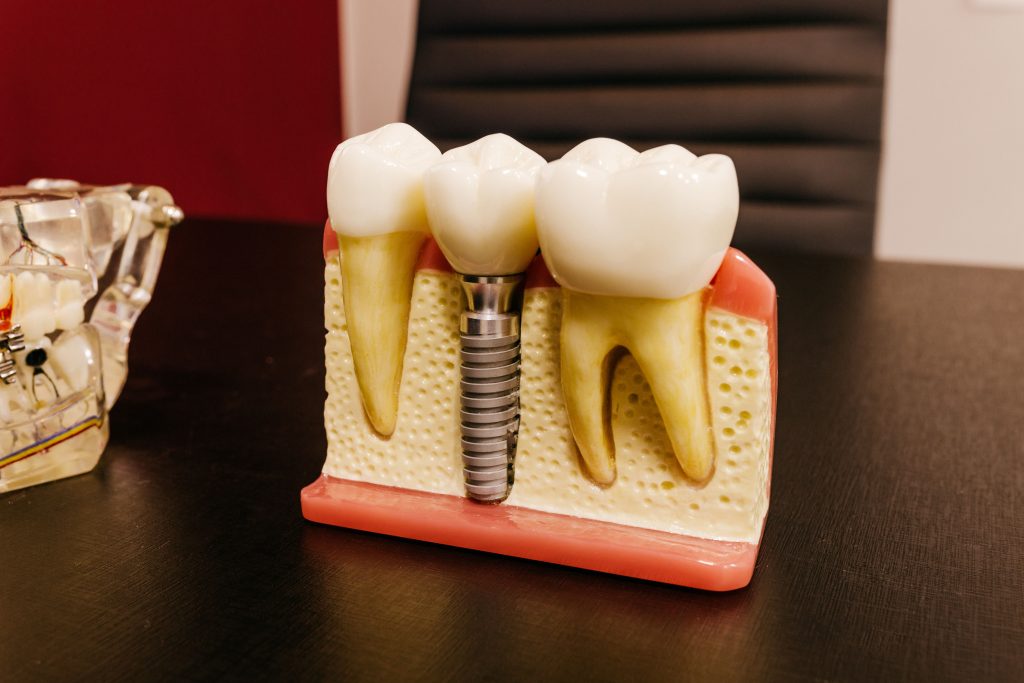
The basic structure usually has three parts. The implant itself is a small post placed in the jawbone. An abutment connects that post to the visible replacement tooth. The crown, bridge, or denture is the part you see and use day to day. Together, these parts are intended to work as a stable unit, although healing, bone condition, and daily care all play a role in how well they function over time.
Types of Dental Implants
Implants are not a single product. Dentists may use different approaches depending on how many teeth are missing, the condition of the jawbone, and the type of restoration needed. Understanding the broad categories can help you follow a discussion about your options and ask clearer questions.
Single-tooth implants
A single-tooth implant replaces one missing tooth with one implant post and one crown. This approach does not rely on neighbouring teeth for support in the way a traditional bridge does, which is one reason it is often discussed for a single gap. The dentist will assess the space available, the health of neighbouring teeth, and the bone in that area before recommending this option.
Single implants are commonly used after a tooth has been lost through decay, injury, or gum disease, provided the surrounding tissues are healthy enough. Healing time and the final restoration depend on the individual case, and a temporary tooth may be used during healing in some situations. Ask what will be visible during healing, how long each stage may take, and what care is needed in the meantime.
Implant-supported bridges and multiple implants
When several teeth are missing in a row, a bridge supported by implants may be considered. Instead of placing an implant for every missing tooth, a smaller number of implants can support a bridge that replaces several teeth. This can be relevant when a gap is too wide for a single implant or when neighbouring teeth are not suitable to support a traditional bridge.
The planning for multiple implants is more detailed, because the dentist must consider spacing, bite, gum health, and bone across a wider area. Imaging and a careful treatment plan help determine how many implants are needed, where they should be placed, and what type of bridge will work best. For general information about replacing several teeth, see full-mouth dental implants and discuss whether a smaller or larger plan is appropriate for your situation.
Full-arch and implant-supported dentures
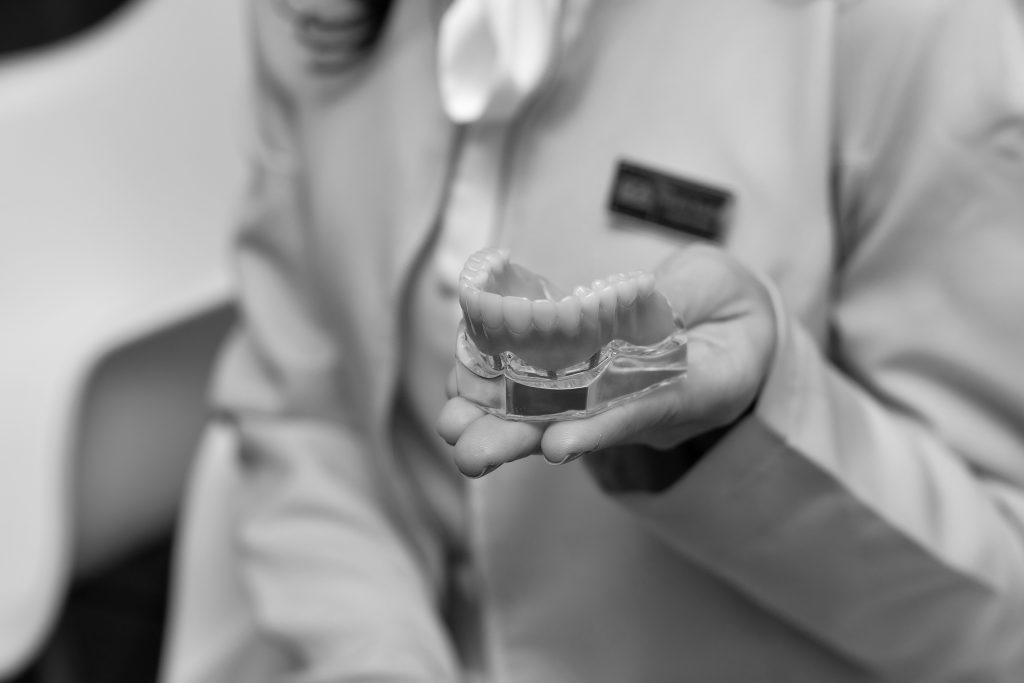
For people missing many or all teeth in an arch, a full-arch restoration supported by implants may be discussed. This usually involves a fixed bridge or a removable denture that is supported by implants, rather than a separate implant for every tooth. The exact design depends on bone, gum health, bite, and personal preference, and it requires careful planning.
Implant-supported dentures differ from conventional dentures in how they are held in place. Conventional dentures rest on the gums, while implant-supported options use implants for added stability. That difference can affect comfort, chewing, speech, and daily maintenance, but it also involves surgery, healing, and ongoing care. A dentist can explain the differences in plain language and help you weigh them against other options, including bridges and conventional dentures.
The Implant Process, Step by Step
The implant process is usually completed in stages, not in a single visit. Timelines vary, because healing and planning depend on the individual, the number of implants, and whether additional procedures are needed before placement. The stages below give a general overview, not a timetable for any one person.
Assessment and planning
Assessment usually begins with an examination, a review of medical and dental history, and imaging of the teeth and jaw. The dentist checks gum health, remaining teeth, bite, and the amount and quality of bone available. This information helps determine whether an implant is suitable, where it should be placed, and whether bone grafting or another preparatory step might be needed.
Planning also includes a discussion of the final restoration, such as the type of crown or bridge, the material options, and the expected number of visits. Ask what the plan includes, what is not yet decided, and what could change after imaging or during treatment. A clear plan helps you understand the full process, rather than only the first appointment.
Placement and healing
Placement involves a surgical procedure to position the implant post in the jawbone. After placement, a healing period allows the bone to grow around the implant and stabilise it. During this time, you may have a temporary restoration, dietary guidance, and instructions for oral care. Healing can take time, and the dentist will check progress at follow-up visits before moving to the next stage.
It is important to follow aftercare instructions closely, attend follow-up appointments, and report pain, swelling, or other concerns promptly. Healing is not only about comfort; it affects whether the implant integrates well and whether the final restoration can be fitted as planned. If you have questions about healing, ask what is normal, what signs should prompt a call, and how the practice handles follow-up.
Restoration and fitting
Once healing has progressed, the abutment and final restoration are fitted. This stage may involve impressions or digital scans, laboratory work, and one or more fitting appointments to check shape, colour, bite, and comfort. Small adjustments are common, because the restoration should feel natural and work well with neighbouring teeth.
After fitting, the dentist will usually discuss daily care, cleaning around the implant, and regular checkups. Implants need ongoing care just as natural teeth do. Brushing, cleaning between teeth, and professional cleanings help protect the gums and supporting structures around the implant. Ask what cleaning tools are recommended, how often you should return for review, and what signs of a problem to watch for.
What to Consider Before Choosing Implants
Implants are a longer-term commitment than some other options, so it is worth considering the full picture before deciding. Think about your oral health, your general health, the time needed for healing, and the care required afterwards. A dentist can help you weigh these factors, but the decision should reflect your own priorities and circumstances.
Bone and gum health are central considerations. Implants need sufficient bone and healthy gums to support them, and conditions that affect healing may change the plan. Smoking, certain medical conditions, and some medications can also affect healing, so share a complete health history with the dentist. If bone is limited, the dentist may discuss grafting, a different implant design, or another type of restoration.
Cost factors also matter, even though this guide does not set out amounts. The total plan may include assessment, imaging, surgery, laboratory work, the restoration, and follow-up visits. Insurance coverage, where it applies, varies by plan and by service, and it should be confirmed directly with the provider and the plan. For related information, see costs, treatment, and local provider options, low-cost dental care, insurance, and payment options, and affordable dentist options near you.
Questions to Ask Your Dentist
- Am I a suitable candidate for an implant, and why or why not?
- How many implants would I need, and what restoration would they support?
- What are the stages, and how long might the full process take?
- What are the benefits and drawbacks compared with a bridge or denture?
- What risks should I understand, and how are they managed?
- What will the total plan include, and what follow-up care is needed?
- How should I clean around the implant, and how often should I return for review?
Frequently Asked Questions
How long does the implant process take?
It varies. Assessment, placement, healing, and restoration are usually completed in stages, and healing time depends on the individual case. Ask your dentist for a timeline based on your assessment, rather than relying on a general timetable.
Are implants suitable for everyone?
No. Suitability depends on bone, gum health, general health, and other individual factors. A dentist who has examined you can explain whether implants are appropriate, and whether another option may be more suitable.
Do implants need special care?
Implants need regular brushing, cleaning between teeth, and professional checkups, just as natural teeth do. Good daily care and regular reviews help protect the gums and structures around the implant.
What if I am missing many teeth?
Options may include multiple implants, an implant-supported bridge, or a full-arch restoration. The right approach depends on how many teeth are missing, bone condition, and your preferences. Discuss the full range of options with a licensed dentist.
Should I compare implants with bridges and dentures?
Yes. Each option has different benefits, drawbacks, care needs, and timelines. Comparing them side by side, with advice from a dentist who has examined you, can help you make an informed choice.
For general information about finding local care, visit the DentalHelpFinder homepage or explore dentist options near you. If you have a question about this guide, contact us by email at dentalhelpfinder@gmail.com.