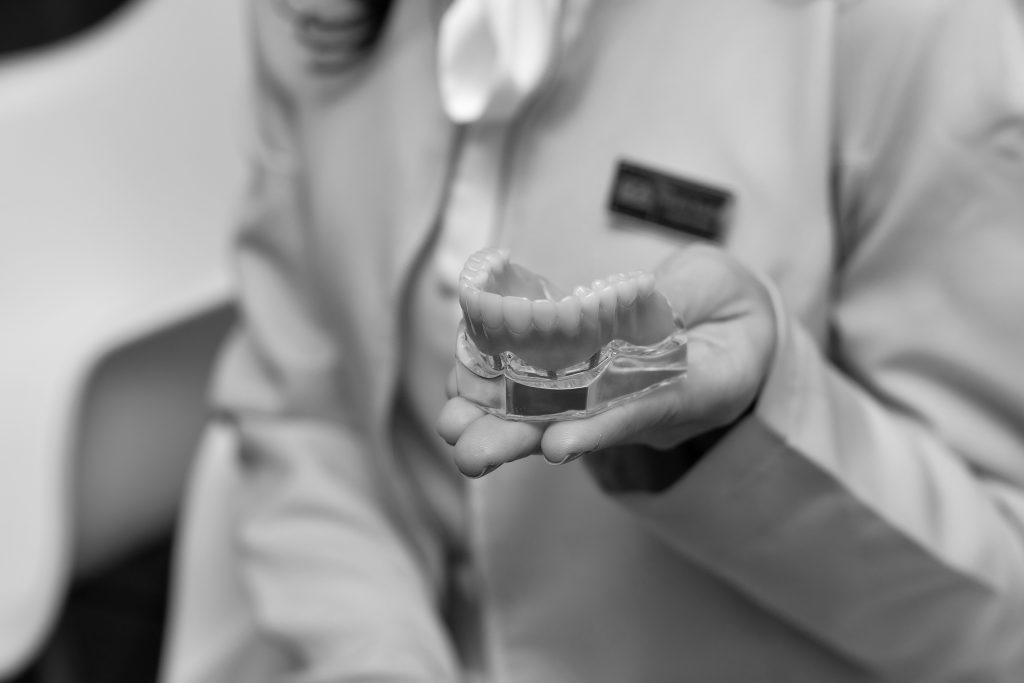
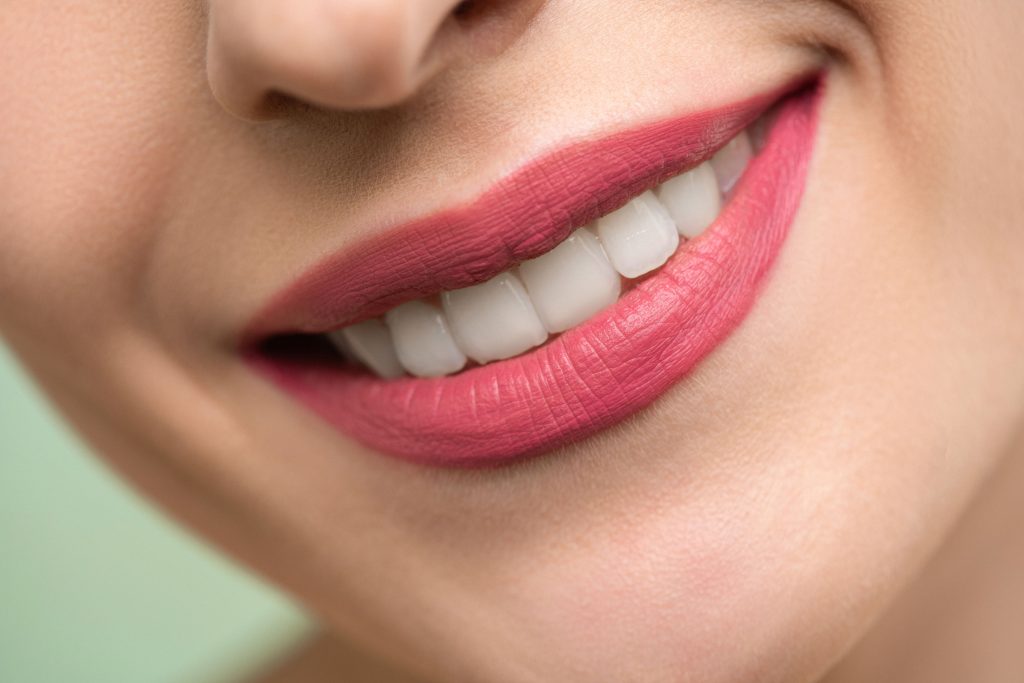
Cosmetic dentistry focuses on improving the appearance of teeth, gums, and smiles, while also considering oral health and function. Three common options are veneers, whitening, and bonding. Veneers are thin shells placed on the front of teeth, whitening lightens tooth colour, and bonding uses a tooth-coloured material to repair or reshape a tooth. Each option suits different concerns, budgets, and tooth conditions.
This guide compares veneers, whitening, and bonding in general terms, including what each treatment involves, how long results may last, what maintenance is needed, and what questions to ask a licensed dentist. It does not promise a particular result, and it does not recommend one option for a specific person. A dentist can assess your teeth, gums, and bite, and explain which options may be suitable for your goals.
Before cosmetic treatment, it is important to address underlying oral health issues, such as decay or gum disease, because cosmetic work is not a substitute for healthy teeth and gums. A dentist may recommend a checkup, cleaning, or other treatment first, and may discuss whether alignment, bite, or existing restorations affect the cosmetic plan. For general information on local cosmetic options, see cosmetic dentistry and dentist options near you.
What Are Veneers?
Veneers are thin, custom-made shells that are bonded to the front surface of teeth to change their colour, shape, size, or alignment appearance. They are often made from porcelain or composite material, and they are designed to look natural and to blend with neighbouring teeth. Veneers can address discolouration that does not respond to whitening, chips, gaps, or teeth that are uneven in shape or size.
Getting veneers usually involves an assessment, planning, preparation of the tooth surface, impressions or scans, and placement of the finished veneers. Some tooth preparation may be needed, depending on the type of veneer and the tooth condition. Veneers require ongoing care, including good oral hygiene and regular checkups, and they may need repair or replacement over time if they chip, wear, or if the underlying tooth changes.
What Is Teeth Whitening?
Teeth whitening lightens the colour of natural teeth using a whitening agent, which may be applied in a dental practice or with a take-home system provided by a dentist. In-practice whitening is usually completed in one or more appointments, while take-home systems involve trays and a whitening gel used over a period of time, following the dentist’s instructions.
Whitening works best on certain types of discolouration, such as staining from food, drinks, or ageing, and it may be less effective for discolouration caused by medication, trauma, or restorations. Whitening does not change the colour of fillings, crowns, or veneers, so a dentist should discuss whether whitening will give an even result across all visible teeth. Sensitivity during or after whitening is common for some people, and your dentist can advise on how to manage it.
What Is Dental Bonding?
Dental bonding uses a tooth-coloured resin material that is applied, shaped, and hardened on a tooth to repair a chip, close a small gap, change the shape of a tooth, or cover discolouration. Bonding is usually completed in a single visit, with little or no preparation of the tooth, and it can be a practical option for smaller cosmetic concerns.
Bonding is generally less durable than veneers, and it may stain, chip, or wear more quickly, especially if you bite hard objects or consume staining foods and drinks frequently. It can usually be repaired or replaced, and good oral hygiene and regular checkups help maintain the result. Ask your dentist whether bonding is suitable for the size and location of the concern, and how long the result may reasonably last.
How Veneers, Whitening, and Bonding Compare
What each option can change
Whitening changes colour only, so it is best suited to discolouration of otherwise healthy, well-shaped teeth. Bonding can change colour, shape, and small defects, but it is best for smaller areas. Veneers can change colour, shape, and size more comprehensively, and they can address several concerns on a tooth at once. Your dentist should explain what each option can and cannot change for your teeth specifically.
Durability and maintenance
Veneers are usually the most durable of the three, when cared for well, but they are also the most involved to place and may be more difficult to reverse. Whitening results fade over time and may need to be repeated, depending on diet, habits, and oral care. Bonding may need more frequent repair or replacement than veneers, but repairs are usually straightforward. Ask about expected lifespan, maintenance, and what happens if a veneer, bonding, or whitening result needs attention later.
Cost and insurance factors
Cost depends on the number of teeth treated, the material and method used, the complexity of the case, and any preparatory treatment needed. Cosmetic treatment is often not covered by dental insurance in the same way as treatment for decay or disease, but coverage varies by plan and by the reason for treatment. Confirm coverage directly with the provider and the plan, and ask for a written estimate for the full plan. For related guidance, see low-cost dental care, insurance, and payment options and costs, treatment, and local provider options.
Questions to Ask Before Cosmetic Treatment
- What concerns can this option address, and what are its limits for my teeth?
- How many visits will treatment take, and what will each visit involve?
- Will any tooth preparation be needed, and is the result reversible?
- How long may the result last, and what maintenance will it need?
- What is the total expected cost, including any preparatory treatment?
- What insurance or payment questions should I confirm before starting?
- What should I do if a veneer chips, bonding stains, or whitening fades?
Setting Realistic Expectations
Cosmetic dentistry can improve appearance, but it has limits. Tooth colour, shape, and gum appearance all affect the result, and no treatment can create a result that ignores the underlying teeth, bite, or gum health. Ask to see examples of similar cases, discuss what a realistic outcome looks like for you, and consider whether a combination of options, such as whitening before veneers or bonding, may be recommended.
It is also worth considering timing. If you are planning other dental work, such as crowns, implants, or orthodontic treatment, the order of treatment can affect the cosmetic result. Discuss the full plan with your dentist, including how cosmetic work fits with other treatment, and what follow-up will be needed. For local options, explore affordable dentist options near you.
Frequently Asked Questions
Are veneers permanent?
Veneers are long-lasting when cared for well, but they are not necessarily permanent. They may need repair or replacement over time, and some types involve tooth preparation that cannot be reversed. Ask your dentist about the type of veneer recommended and what replacement may involve.
Does whitening damage teeth?
Whitening performed as directed by a dentist is generally considered safe for healthy teeth, although sensitivity is common for some people. Follow the instructions given, avoid overuse, and discuss any sensitivity, gum irritation, or existing restorations with your dentist before starting.
Can bonding fix a large chip?
Bonding is best for smaller chips, gaps, and shape changes. Larger damage may need a different restoration, such as a crown or veneer, depending on the tooth and the extent of the damage. Your dentist can advise which option is most suitable.
Will cosmetic treatment look natural?
Modern cosmetic materials are designed to look natural, and shade, shape, and translucency are matched to your other teeth. Discuss your expectations clearly, including shade and shape preferences, and ask what a realistic result will look like for your teeth.
Do I need to change my habits after cosmetic treatment?
Good oral hygiene, regular checkups, and care with hard foods, staining drinks, and habits such as nail-biting can help maintain cosmetic results. Your dentist should give specific aftercare guidance for the option you choose.
For general information about finding local care, visit the DentalHelpFinder homepage. If you have a question about this guide, contact us by email at dentalhelpfinder@gmail.com.
Maintaining Cosmetic Results
Daily care is the simplest way to protect cosmetic work. Brush twice a day with fluoride toothpaste, clean between teeth, and attend regular checkups so your dentist can check veneers, bonding, and natural teeth for wear, staining, or damage. Avoid using teeth as tools, be cautious with very hard foods, and tell your dentist promptly if a veneer feels loose, bonding feels rough, or a tooth becomes sensitive.
Diet and habits also affect how long cosmetic results last. Coffee, tea, red wine, and tobacco can stain teeth and bonding over time, while whitening results may fade more quickly with frequent exposure to staining foods and drinks. You do not need to avoid these entirely unless your dentist advises it, but being aware of their effect can help you plan maintenance, such as repeat whitening or polishing, and can help you set realistic expectations.
Finally, keep records of the treatment you received, including the material used, the teeth treated, and any aftercare instructions. Records help future dentists understand your history, plan repairs, and match shade or material if work needs attention later. If you move or change dentists, bring those records to your first visit so the new practice can continue your care without guessing.