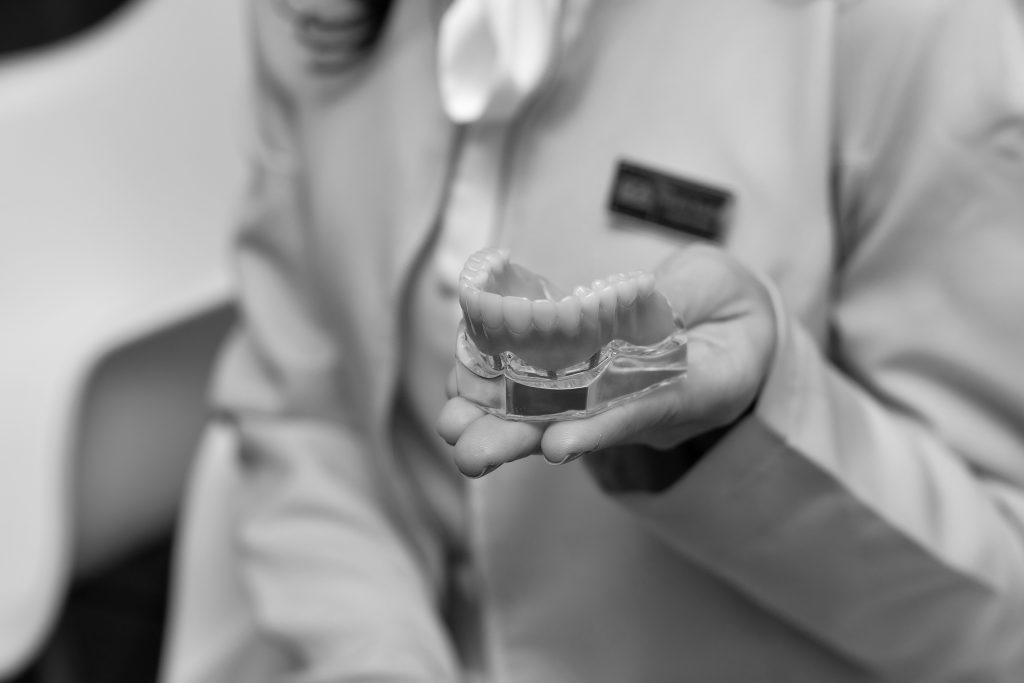

Clear aligners and braces are two common ways to straighten teeth and improve bite alignment. Clear aligners are removable, transparent trays that gradually move teeth, while braces use brackets and wires fixed to the teeth to guide movement over time. Both approaches can address a range of alignment issues, but they differ in appearance, daily care, treatment control, and suitability for different cases.
This guide compares clear aligners and braces in general terms, including how each option works, what daily life with treatment involves, how long treatment may take, and what questions to ask a licensed dentist or orthodontist. It does not recommend one option for a specific person. Suitability depends on the alignment problem, bite, oral health, age, and how consistently treatment can be followed.
Orthodontic treatment is not only about appearance. Alignment can affect cleaning, chewing, speech, and the way teeth wear over time. A dentist or orthodontist can assess your teeth and bite, explain which options may be suitable, and outline what each plan would involve before you decide.
How Clear Aligners Work
Clear aligners are a series of custom-made, removable trays that fit over the teeth. Each set is worn for a period of time, then replaced with the next set, which moves the teeth a little further toward the planned position. Treatment is planned from scans, photographs, and an examination, and progress is checked at follow-up visits or through remote monitoring where the provider offers it.
Aligners are usually removed for eating, drinking anything other than water, and brushing and flossing. That removability can make eating and cleaning easier, but it also means treatment depends on wearing the aligners for the recommended number of hours each day. If aligners are worn inconsistently, teeth may not move as planned, and treatment may take longer or need adjustment. For related information, see Invisalign and clear aligners and dentist options near you.
How Braces Work
Braces use brackets attached to the teeth, connected by wires that apply gentle, continuous pressure to move teeth gradually. The wires are adjusted at regular appointments, and additional parts, such as elastics, may be used to correct bite issues. Braces can be made from metal or tooth-coloured materials, depending on the type offered by the provider.
Because braces are fixed in place, they work continuously without relying on the patient to wear or remove them. That can be an advantage for complex movements or for younger patients who may find it difficult to keep aligners in for the recommended time. Fixed braces do require careful cleaning around brackets and wires, and certain foods may need to be avoided to protect the appliance.
Appearance, Comfort, and Daily Life
Appearance
Clear aligners are designed to be discreet, and many people find them less noticeable than braces in everyday conversation and photographs. Braces are more visible, although tooth-coloured brackets can be less conspicuous than metal ones. Appearance matters to some people more than others, and it is worth discussing how each option will look during treatment, not only at the end.
Comfort and speech
Both options can cause pressure or soreness, especially when a new aligner set is started or after a braces adjustment. That discomfort usually eases over a few days. Aligners may affect speech briefly when first worn, while braces may irritate the cheeks or lips at first. Ask your provider what to expect, what comfort measures are recommended, and what to do if a wire, bracket, or aligner causes a problem.
Eating, cleaning, and appointments
With aligners, you remove the trays to eat and clean your teeth, which can make brushing and flossing more straightforward. You will also need to clean the aligners themselves and store them safely when they are out. With braces, you brush and floss around the appliance, which takes more care and time, and you may need to avoid hard, sticky, or very chewy foods that could damage brackets or wires.
Appointment patterns also differ. Aligner treatment may involve fewer in-person visits if remote monitoring is used, while braces usually require regular in-person adjustments. Ask how often you will need to attend, how long appointments take, and what happens if an appointment is missed or an appliance is damaged.
What each option can treat
Both aligners and braces can treat crowding, spacing, and many bite issues, but more complex cases may be better suited to braces, which allow the provider to control individual tooth movement more directly. Some movements, such as significant rotations or vertical changes, may be harder to achieve with aligners alone. Your provider should explain whether your case is straightforward or complex, and whether one option is more predictable for your situation.
Length, Costs, and Follow-Up
Treatment length varies with the complexity of the case, the starting position of the teeth, and how consistently treatment is followed. Some alignment issues may be addressed in a shorter period, while more complex cases take longer. Ask for a realistic estimate for your case, including what could extend treatment, such as missed appointments, lost aligners, or broken brackets.
Cost factors include the type of appliance, the complexity and length of treatment, the number of appointments, and whether retainers or further treatment are needed afterwards. Insurance coverage for orthodontic treatment varies by plan and by age or case criteria, so confirm coverage directly with the provider and the plan. For related guidance, see low-cost dental care, insurance, and payment options, costs, treatment, and local provider options, and affordable dentist options near you.
After active treatment, retainers are usually recommended to help keep teeth in their new positions. Retainers may be removable or fixed, and they need regular care and occasional replacement. Ask how long retainers should be worn, how they should be cleaned, and what to do if a retainer is lost or damaged. Skipping retainer wear can allow teeth to shift back, which may require further treatment.
Questions to Ask Before Choosing
- Which options are suitable for my teeth and bite, and why?
- How long is treatment expected to take, and what could change that estimate?
- What will daily care involve, and what foods or habits should I avoid?
- How often will I need appointments, and what happens if I miss one?
- What is the total expected cost, including retainers and follow-up?
- What insurance or payment questions should I confirm before starting?
- What results can I reasonably expect, and what are the limits of treatment?
Frequently Asked Questions
Are clear aligners suitable for everyone?
No. Aligners suit many mild to moderate cases, but more complex movements may be better handled with braces. A dentist or orthodontist should assess your teeth and bite before recommending an option.
Can I eat normally with braces?
You can eat most foods, but hard, sticky, or very chewy foods may damage brackets or wires. Your provider should give clear guidance on foods to avoid and on cleaning around the appliance.
How do I clean clear aligners?
Follow the cleaning guidance given by your provider, rinse aligners as advised, and brush and floss before putting them back in. Avoid hot water or harsh products unless your provider advises otherwise, as these may damage the trays.
What happens if I lose an aligner?
Contact your provider promptly. They may advise you to wear the previous set, move to the next set, or order a replacement, depending on where you are in treatment. Do not guess, as the wrong step may affect progress.
Will I need a retainer after treatment?
In most cases, yes. Retainers help maintain the new tooth positions after active treatment ends. Ask what type of retainer is recommended, how long it should be worn, and how it should be cared for.
For general information about finding local care, visit the DentalHelpFinder homepage. If you have a question about this guide, contact us by email at dentalhelpfinder@gmail.com.
Choosing for Teens and Adults
Age and lifestyle can influence the choice, but they do not decide it on their own. Teens may prefer aligners for appearance and for sports or music, yet braces may be more predictable when wear time is hard to maintain or when the case is complex. Adults may prefer aligners for work or social reasons, yet they may still need braces for certain movements. Discuss your daily routine honestly, including sports, playing an instrument, public speaking, and how reliably you can follow wear-time guidance.
For younger patients, growth and developing teeth also matter. A provider may recommend waiting, using a different early approach, or monitoring development before full orthodontic treatment. For adults, existing restorations, gum health, missing teeth, and previous orthodontic treatment can affect the plan. Bring a full dental history to your assessment, including any previous braces or aligners, extractions, or gum treatment.
Whatever option you consider, regular checkups during treatment remain important. Orthodontic treatment does not replace routine dental care, and teeth with appliances need careful cleaning to reduce the risk of decay or gum problems. Ask how checkups, cleanings, and orthodontic visits will fit together, and whether any additional care is recommended during treatment.