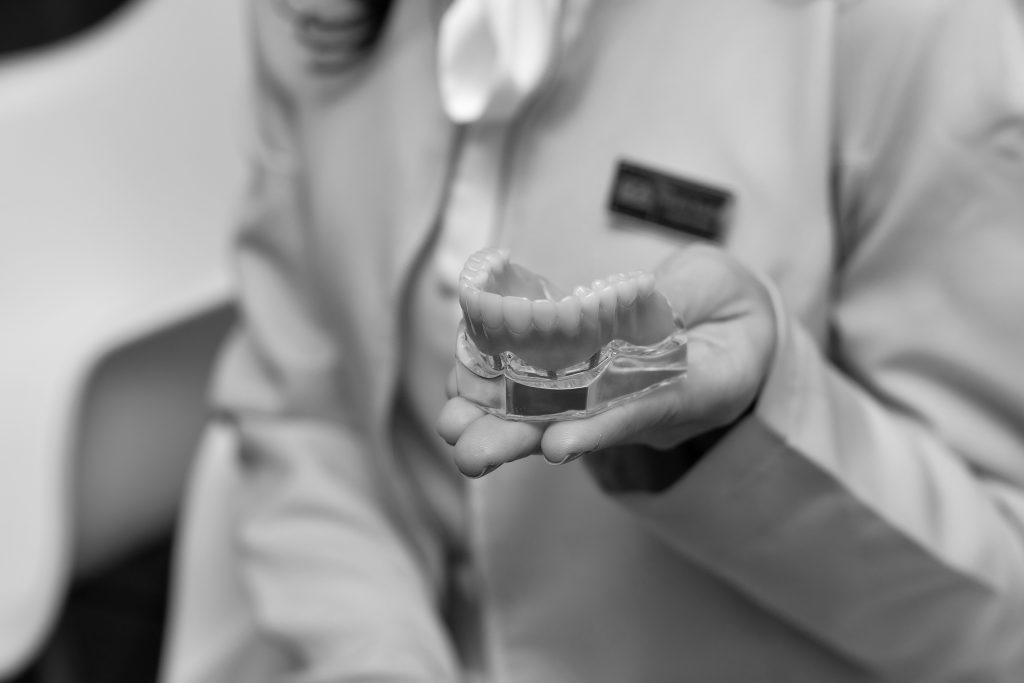

Same-day dental care means seeing a dentist on the day you contact a practice, usually because of pain, damage, swelling, or another urgent problem. It is designed to address the most pressing issue promptly, rather than waiting for a routine appointment. A same-day visit may focus on diagnosis and relief, a temporary repair, or a completed treatment, depending on what the dentist finds and how much time is available.
This guide explains what to expect at an urgent same-day visit, how to prepare, what questions to ask, and what follow-up may be needed. It does not guarantee that a same-day appointment will be available at any particular practice, and it does not replace advice from a licensed dentist who has examined you.
If you have severe pain, swelling that is spreading, bleeding that will not stop, a serious injury, or difficulty breathing or swallowing, seek urgent professional or emergency help promptly, rather than waiting to research options. For less severe urgent problems, contacting a practice early in the day can help, because same-day slots may be limited.
How Same-Day Appointments Usually Work
Practices that offer same-day care usually reserve a limited number of urgent slots, or they fit urgent patients into gaps in the schedule. When you contact a practice, staff may ask about your symptoms, when they started, what makes them better or worse, and any relevant medical history. That information helps them judge urgency, prepare for your visit, and tell you what to bring.
Same-day does not always mean walk-in. Some practices ask you to call or message first, while others may accept walk-ins during certain hours. Ask how the practice handles urgent visits, what hours are available, and whether you should arrive early or wait for a call back. For local options, explore emergency dentist options near you and dentist options near you, then confirm arrangements directly with the practice.
What Happens During the Visit
Check-in and initial assessment
At check-in, you may be asked to complete forms about your health history, medications, allergies, and insurance details, if you have them. Staff may also ask about your main concern and your pain level. Bring a list of medications, any relevant health information, and a note about when symptoms started and what triggers them. Clear notes can help the visit run more smoothly, especially when you are in pain.
The dentist will then examine the problem area, ask about symptoms, and check neighbouring teeth, gums, and bite. This initial assessment helps identify the likely cause and whether the problem is limited to one tooth or involves a wider area. Be open about your symptoms, even if they seem minor, because details can help the dentist understand the problem.
Diagnosis, imaging, and testing
Diagnosis may involve imaging to look at roots, bone, or a suspected infection, and tests to check how a tooth responds to temperature, pressure, or movement. These steps help the dentist decide whether treatment can be completed that day, whether a temporary step is needed, or whether further treatment should be planned for a later visit. Ask what imaging or testing is recommended, why it is needed, and how the results will affect the plan.
Not every same-day visit ends with a completed treatment. In some cases, the priority is to relieve pain, control infection, or stabilise a tooth, with a longer-term plan arranged later. That approach is common when a problem is complex, when laboratory work is needed, or when specialist care is required. Ask what will be done that day, what will be deferred, and what the next steps will be.
Treatment that day and pain relief
Treatment on the day may include a temporary filling, a repair, medication, or another procedure that addresses the immediate problem. The dentist should explain what is being done, why it is needed, and what to expect afterwards, including any discomfort, dietary guidance, or care instructions. Ask what pain relief is available, how long it may last, and what to do if pain returns or worsens after the visit.
Pain relief is an important part of urgent care, but it does not always mean the underlying problem is fully resolved. Follow the aftercare instructions you are given, attend follow-up appointments, and contact the practice if symptoms change. If you are given medication, ask how to take it, what side effects to watch for, and whether it interacts with other medication you take.
Costs, Insurance, and Written Estimates
Cost at a same-day visit depends on what is included, such as examination, imaging, treatment, medication, and follow-up. A diagnostic visit and a visit that includes a procedure are different services, and timing, complexity, and specialist input can also affect the total. Ask for a written estimate where one is offered, and ask what the full plan may include, not only the first visit.
Insurance coverage, where it applies, varies by plan, service, and network status. Confirm coverage directly with the provider and the plan, and do not assume that a provider accepts a particular plan. DentalHelpFinder does not accept insurance and cannot confirm coverage for any provider. For related information, see low-cost dental care, insurance, and payment options, costs, treatment, and local provider options, and affordable dentist options near you.
What to Bring and Questions to Ask
- When did symptoms start, and what makes them better or worse?
- What medication, allergies, or health conditions should the dentist know about?
- What will this visit include, and what will need a separate visit?
- What treatment options are available, and what are the benefits and drawbacks?
- What is the total expected cost of the full plan?
- What aftercare should I follow, and what signs should prompt a return visit?
- When should I return for follow-up, and what will that visit involve?
After the Visit: Follow-Up and Prevention
Follow-up is an important part of urgent care. A temporary repair may need to be replaced, an infection may need review, or a tooth that was stabilised may need further treatment once symptoms settle. Ask what follow-up is recommended, when it should happen, and what to do if pain, swelling, or another problem returns sooner.
After urgent care, discuss prevention with your dentist, including daily brushing and flossing, diet and drinks that affect teeth, and regular checkups and cleanings. Those steps do not replace urgent treatment, but they can reduce the chance of a similar problem returning. If you need ongoing care, ask about local options and about how to plan the next steps with clearer information.
Frequently Asked Questions
Will my problem be fixed on the same day?
Not always. Some problems can be treated fully on the day, while others need diagnosis, a temporary step, or a later appointment for a complete treatment. Ask what will be done that day and what the next steps will be.
Should I call first or walk in?
It depends on the practice. Many practices ask you to call or message first so they can judge urgency and prepare, while others may accept walk-ins during certain hours. Confirm arrangements directly with the practice before travelling.
What should I do if no same-day appointment is available?
Ask the practice what it recommends, whether another local practice may have urgent slots, and what self-care steps are appropriate while you wait. If symptoms worsen, seek professional advice promptly rather than waiting.
Do I need to bring insurance details?
Bring them if you have them, along with a list of medications and health information. Insurance details can help the practice explain coverage, but coverage should still be confirmed directly with the provider and the plan.
What if I am anxious about the visit?
Tell the practice and the dentist about your concerns. They can explain each step, discuss options for comfort, and pace the visit in a way that helps you feel more at ease. Ask questions at any point if you are unsure about what is happening.
For general information about finding local care, visit the DentalHelpFinder homepage. If you have a question about this guide, contact us by email at dentalhelpfinder@gmail.com.
When to Seek Help Sooner
Some symptoms should prompt faster action, even if they seem manageable at first. These include swelling that is spreading, pain that is worsening despite basic care, bleeding that continues, a tooth that has been knocked out or badly damaged, and any difficulty opening the mouth, swallowing, or breathing. In those situations, contact a practice or urgent service promptly and describe your symptoms clearly, rather than waiting for a routine slot.
While you wait to be seen, follow any guidance the practice gives you, avoid putting pressure on the affected area where possible, and keep notes about changes in symptoms. Notes can help the dentist understand how the problem has developed, and they can help you remember questions to ask at the visit. If symptoms change significantly, update the practice promptly.